With only weeks left to the start of a new school year, tens of thousands of Miami-Dade parents are preparing for a familiar challenge: finding the right after-school program for their children before spots disappear.
Youth development experts say waiting too long can mean missing out altogether, especially as demand for affordable, high-quality after-school programs continues to rise across South Florida.
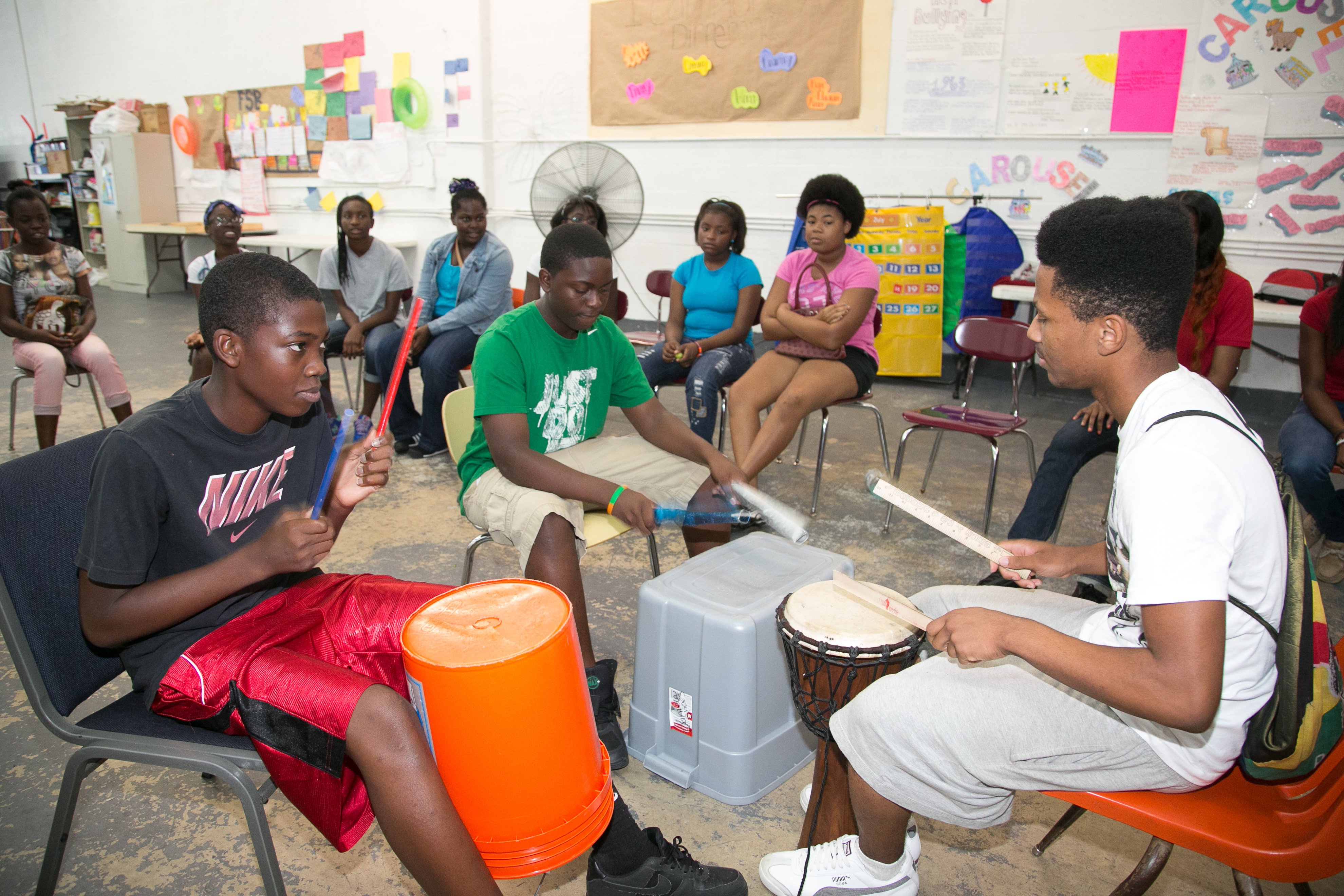
For families, after-school programs are often about far more than convenience. They provide children with safe environments during the critical afternoon hours while also offering academic support, meals and snacks, mentoring, physical activity and enrichment opportunities that can shape long-term success.
Research consistently shows the benefits are significant. According to studies highlighted by the Afterschool Alliance, students who regularly participate in high-quality after-school programs have better school attendance, improved behavior and stronger academic performance. Participation has also been linked to higher graduation rates and greater engagement in school activities.
The hours immediately after school are also considered one of the peak times for juvenile crime and risky behavior. Experts say structured programs help reduce those risks by keeping children supervised, active and connected to positive adult role models.
That combination of academic support and safety has made after-school programming one of the largest investments by The Children's Trust.
According to The Trust’s annual report, more than 47,000 children and youth participated in Trust-funded after-school, summer and youth enrichment programs across Miami-Dade County during the last reporting year. Programs range from tutoring and literacy support to sports leagues, robotics, dance, coding, arts and leadership development.
Many programs are free or offered at very low cost to families, helping make them accessible even as household expenses continue rising.
The Trust’s programs also frequently include meals or snacks, an important support for working parents and families juggling busy schedules after school.
“Parents often need programs that support the entire family, not just the child,” one Trust program provider said in a previous impact report. “Knowing their child is safe, fed, learning and engaged gives families peace of mind.”
Academic support remains a central focus of many programs. Homework help, reading activities and literacy-building exercises are often integrated into the daily schedule rather than treated as optional add-ons.
For younger children especially, experts say those extra hours of structured learning and reading practice can help reinforce classroom lessons and prevent students from falling behind academically.
The benefits also extend to social and emotional development. Students participating in after-school programs often build stronger communication skills, confidence and friendships through team activities and mentorship opportunities.
In some Miami-Dade communities, after-school programming has become deeply tied to broader youth initiatives. Through partnerships connected to soccer and youth wellness efforts, children participate in programs that combine athletics with mentoring, leadership development and healthy living.
Parents who have participated in Trust-funded programs consistently report high satisfaction levels, according to annual surveys. Many say the programs allow them to continue working while knowing their children are in safe environments with trusted adults.
But families interested in enrolling are encouraged to begin searching now.
Popular programs - especially those located near schools or offering transportation - can fill quickly before the school year even begins.
Parents can search for programs by neighborhood, age group and interest through The Trust's Find a Program page.
For many families, the right after-school program becomes more than just childcare. It becomes a second home — a place where children build friendships, discover talents, receive academic support and stay connected to positive opportunities long after the school day ends.