Why do Leadership Skills Matter for Youth; and How to Help Build Them in Our Kids
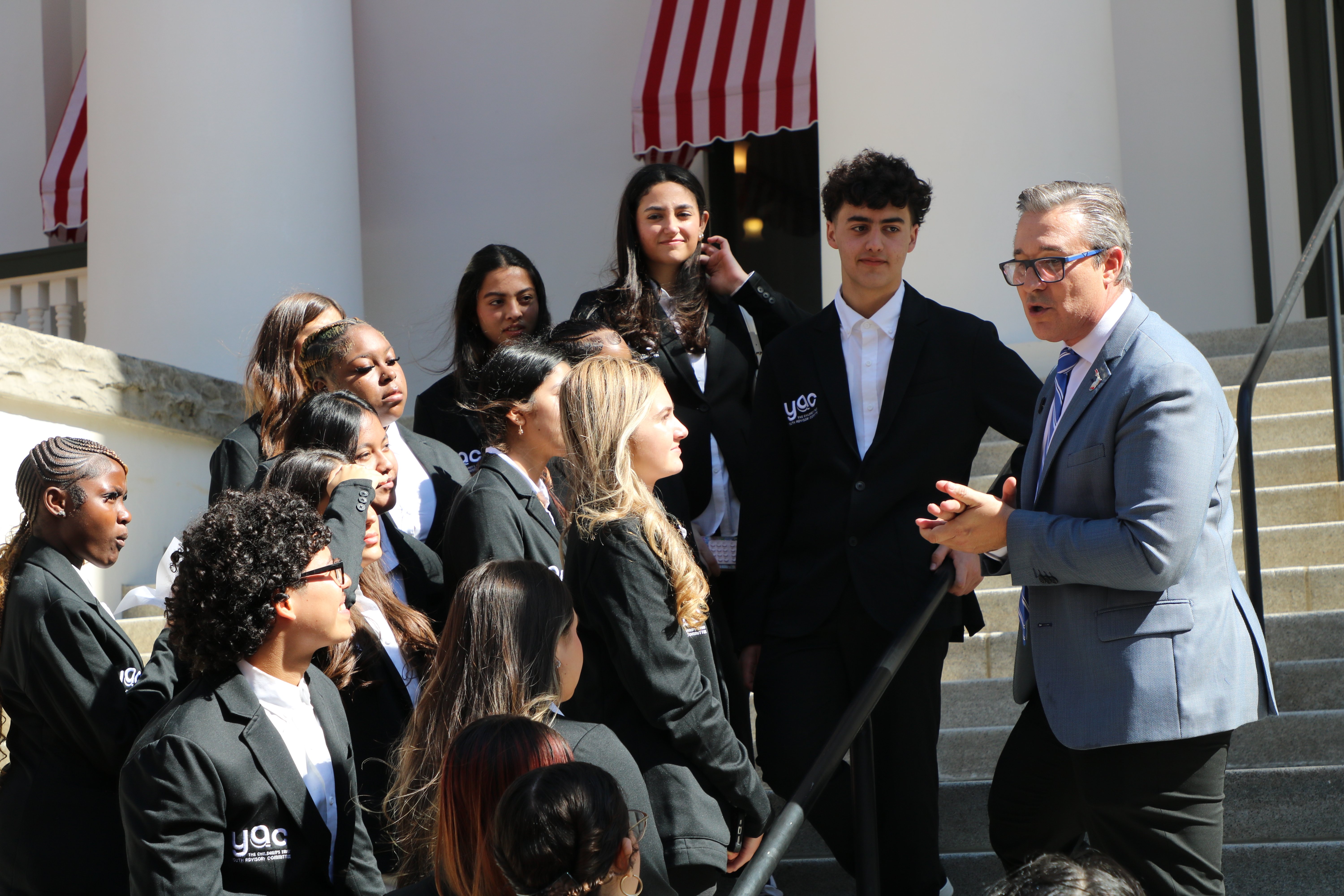
Learning leadership skills early in life can help kids build self-confidence, become more emotionally intelligent, and improve critical thinking. Here’s how you can help nourish leadership skills at home.
Communication Skills: Listening and Being Heard
Speaking clearly and conveying a message that others can easily understand is an essential leadership skill. Good leaders present directions or feedback without sounding bossy or rude. Having an opinion and knowing when and how to speak up will be helpful when advocating for themself or others, whether at school, during an extracurricular activity, or even in a future professional setting. Parents can encourage confident communicators at home in the following ways:
- Encourage thoughtful interactions with others by asking children how their actions or words might make others feel before they use them helps build empathy and emotional intelligence.
- Having discussions about the differences between people, and how this may mean different reactions to things, will help kids with empathy and bring out the best in their friends.
- Parents should be compassionate and curious themselves. Kids will model these behaviors outside of the home.
Just as important as being heard is being able to listen and listen well. After all, good communication is a two-way street, and good leaders always foster a safe space for discussion. Parents should model active listening to encourage children to use these skills with others, which means:
- Removing distractions like phones when talking.
- Remaining focused and listening with eyes as well as ears.
- Confirming understanding of what is being said by repeating important parts back and asking relevant open-ended questions to keep the conversation going.
Communicating better with your child is a great way to build bonds, understand each other, and help children develop essential leadership skills.
Working Together
Being a good teammate is a life skill required in most professional settings. Understanding your own best attributes and how other team members can contribute with theirs is also an essential leadership skill. The family unit is one of the first teams a child will be a part of, making it the perfect place to model great teamwork. Families can play group games, like building a town together with Lego or board games where people work in teams, work together on chores around the house with shared goals, or play sports together in the backyard. Not only do these activities build leadership and teamwork skills, but they also encourage a shared sense of community and responsibility, and most importantly they’re fun for everyone.
How We Can Help
The Journal of Community Psychology performed a study into the positive outcomes for students who joined a community group in a rural area. The study concluded that participants gained leadership, decision-making, and social skills, in addition to developing a better understanding of issues in their community and feeling less isolated.
The Children’s Trust believes leadership skills are important for all kids and can set them up for brighter futures, which is why we help fund a variety of programs that promote them. The Trust’s Youth Advisory Committee helps “shape the leaders of tomorrow” by empowering kids to build leadership skills alongside like-minded Miami-Dade County high school students. There are currently around 220 students involved in six groups across the county, sharing the mission to gain valuable life experience and foster essential character traits like responsibility, creativity, optimism, grit, and more.
The Children’s Trust celebrates youth leaders annually at the Champions for Children Awards Ceremony. Each year, a high school-age student is the recipient of our Excellence in Youth Leadership Award for displaying dedication and passion to finding solutions to community issues. This year Andrea Cabrera-Elguezabal, a student at Young Women's Preparatory Academy, won the honor for her work mentoring and helping elementary school kids learn literacy skills. If you work on these essential leadership skills together, maybe your child will be a Champion for Children one day.